

Introduction
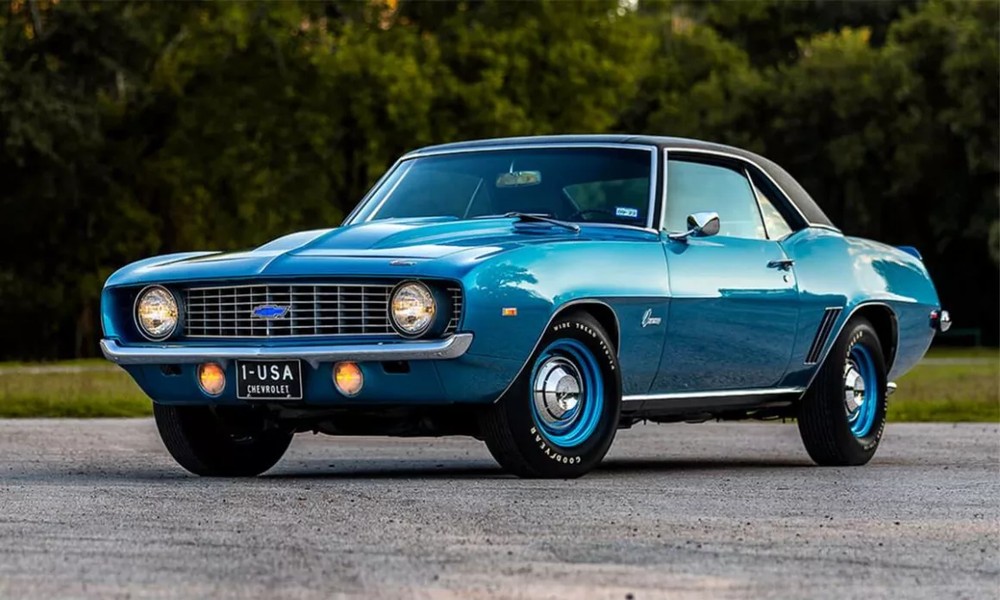
Purchasing a classic muscle car can be an exciting experience. These cars are known for their powerful engines, bold designs, and unique character. However, owning one is very different from owning a modern car. Before making a purchase, it is important to understand a few key factors to avoid unexpected problems and ensure a rewarding ownership experience. Following a classic muscle car buying guide can help buyers evaluate vehicle condition, verify authenticity, understand maintenance needs, and budget for restoration or upkeep, making the investment both enjoyable and worthwhile.
Understanding the Condition of the Car
One of the most important factors is the condition of the car. Many classic muscle cars are several years old, so wear and tear are common. It is important to check the body, engine, and interior carefully.
Rust, engine issues, or damaged parts can increase repair costs. A well-maintained car may have a higher initial cost, but it can help save money over time. A detailed inspection helps in making a better decision.
Availability of Spare Parts
Before buying, it is important to consider the availability of spare parts. Some classic models may have parts that are difficult to find. This can make repairs slow and expensive.
Choosing a model with easily available parts makes maintenance easier. It also reduces the time and effort needed to keep the car in good condition.
Cost of Maintenance
Classic muscle cars often require regular care and maintenance. Unlike modern cars, they may not have advanced systems that reduce wear. As a result, owners need to spend time and money to keep them running smoothly.
Fuel consumption can also be higher in these vehicles. It is important to be prepared for ongoing expenses, not just the purchase cost.
Purpose of Purchase
Understanding why you want to buy the car is also important. Some people buy classic muscle cars for daily use, while others treat them as collectables or weekend vehicles.
The purpose affects the type of car you should choose. A car for regular use may need to be more reliable, while a collectable car may focus more on originality and condition.
Storage and Care
Proper storage is essential for classic cars. These vehicles need protection from weather conditions like rain, heat, and dust. Without proper storage, the car’s condition can worsen over time.
Having a safe and covered space helps maintain the car’s quality. Regular cleaning and care also play an important role in preserving its value.
Checking Documentation
It is important to verify all documents before buying a classic muscle car. This includes ownership records, registration details, and any restoration history.
Clear documentation ensures that the car has a proper history and reduces the risk of legal issues. It also adds value to the vehicle.
Conclusion
Buying a classic muscle car requires careful planning and understanding. Factors like condition, spare parts availability, maintenance costs, purpose, storage, and documentation should all be considered. Taking time to evaluate these points helps in making a smart decision. With proper care and attention, owning a classic muscle car can be a rewarding and enjoyable experience.




Leave a Comment