
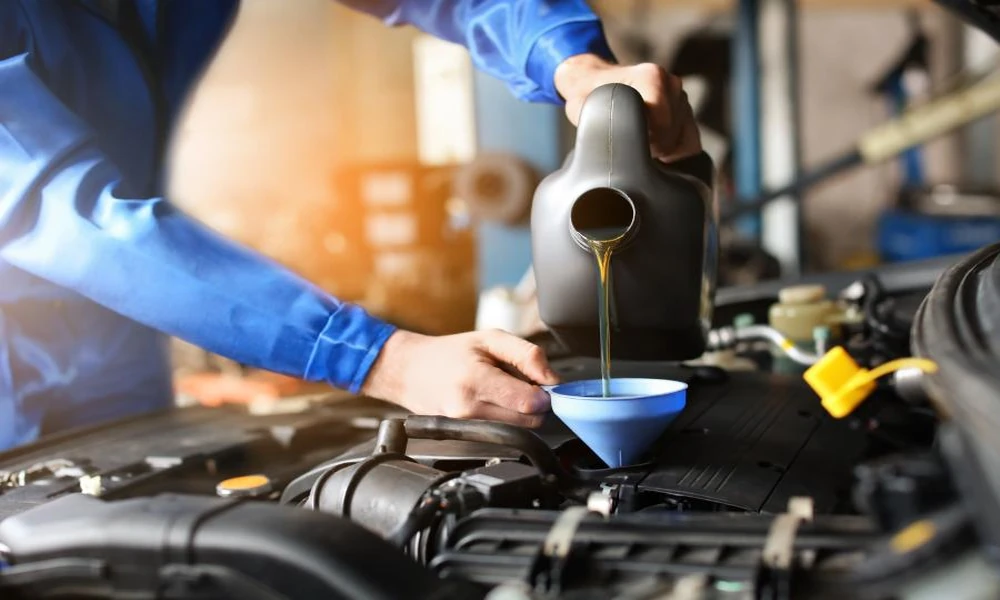

When brake and clutch synchronization fail the entire driving experience can become unpredictable. The braking system and clutch system perform different jobs during vehicle operation. Yet both systems influence control during acceleration deceleration and gear changes.
Understanding Brake and Clutch Synchronization Problems
The brake and clutch systems must respond smoothly during different driving situations. The clutch separates engine power from transmission components during gear changes. Meanwhile the brakes control vehicle speed and bring the vehicle safely to rest. Problems can appear when hydraulic pressure becomes inconsistent within either system. Professional inspection from Hughes Motors Corp can identify connected mechanical concerns accurately.
How Hydraulic Problems Affect Both Systems
Hydraulic pressure plays an important role within many modern braking systems. Clutch operation can also depend upon hydraulic pressure for smooth engagement. Leaking fluid can reduce pressure and create unpredictable pedal behavior. Contaminated fluid may further reduce system performance under demanding driving conditions. Hughes Motors Corp can examine hydraulic components before larger failures develop unexpectedly.
Why Professional Brake and Clutch Inspection Matters
Driving with uncertain braking or clutch operation creates unnecessary risks on busy roads. Professional technicians can inspect pedal movement and hydraulic pressure carefully. They can also examine brake pads rotors clutch components and transmission connections. A detailed inspection helps determine whether separate problems share one underlying cause. Proper diagnosis prevents unnecessary replacement of healthy mechanical components during repairs. For drivers seeking Brake Repair in Yonkers, NY professional assessment remains highly valuable. This approach can restore predictable control while reducing future repair complications.
Choosing the Right Repair Approach for Safer Driving
The appropriate repair depends upon the condition of every affected component. Some problems require fluid replacement while others need hydraulic system repairs. Severely worn clutch components may require replacement after professional inspection. Damaged brake components should receive attention before continued driving becomes necessary. But minor warning signs should still receive proper attention without unnecessary delays. Hughes Motors Corp can help identify practical repair requirements through systematic vehicle inspection. A carefully completed repair can restore smoother operation and stronger driver confidence.
FAQs
- Can A Clutch Problem Affect Braking Behavior?
A failing clutch can influence vehicle control during shifting and sudden deceleration. It may not directly damage brakes but can make driving coordination difficult.
- Why Does the Clutch Pedal Change During Braking?
Hydraulic pressure changes or worn components can alter clutch pedal behavior unexpectedly. Professional testing can identify the actual mechanical cause.
- Can Contaminated Fluid Create Synchronization Problems?
Yes. Contaminated hydraulic fluid can reduce consistent pressure and produce unpredictable pedal responses.
- Should Driving Continue After Unusual Pedal Movement?
Continued driving may increase mechanical risks when braking or clutch response becomes unreliable. Professional inspection should happen before regular driving continues.
- Can Brake and Clutch Problems Share One Hydraulic Issue?
Some vehicles use related hydraulic components or fluid systems. A leak or pressure problem can therefore create overlapping symptoms.


Leave a Comment