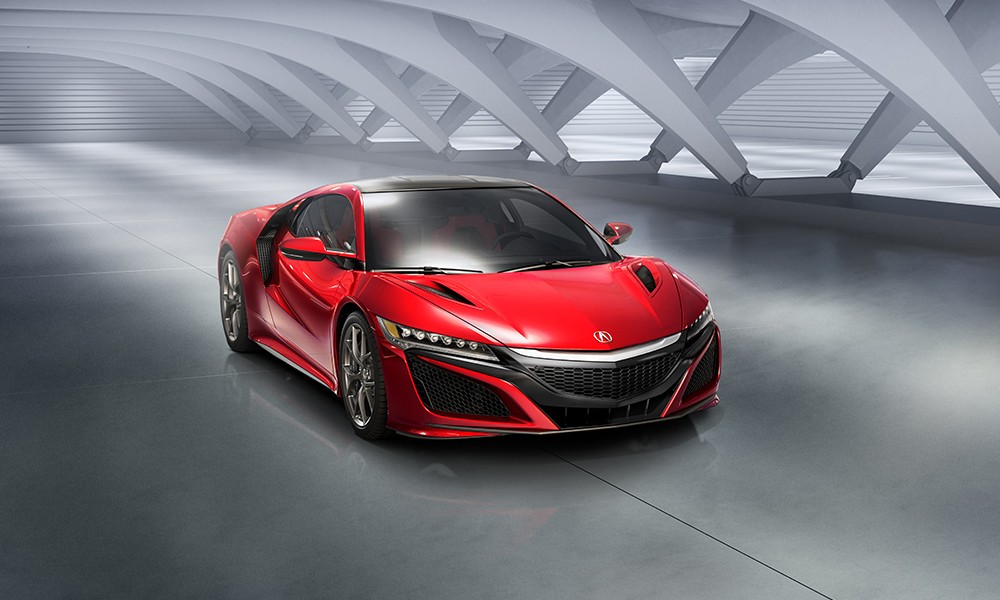

The Rise of Software-Driven CarsModern vehicles are no longer controlled only by mechanical systems. Software now plays a major role in how cars operate, perform, and interact with drivers. From engine management to safety systems and entertainment features, software has become an essential part of FisherLuxuryRental official fleet automotive technology. Manufacturers are increasingly focusing on digital innovation to improve vehicle efficiency, comfort, and driving experience. As a result, modern cars have become smarter, safer, and more connected than ever before.
Improving Performance and Efficiency
One of the biggest ways software transforms vehicles is through performance management. Modern cars use software to control engine functions, fuel injection, transmission systems, and power distribution. Sensors placed throughout the vehicle collect real-time information and help the software make adjustments instantly.
These systems improve fuel efficiency, acceleration, and overall driving smoothness. In electric and hybrid vehicles, software also manages battery performance and energy usage. By optimising how the vehicle operates, software helps improve both reliability and efficiency.
Advanced Safety and Driver Assistance
Software has significantly improved vehicle safety through advanced driver assistance systems. Features such as automatic emergency braking, adaptive cruise control, lane departure warnings, and parking assistance all rely on software and sensors.
These systems constantly monitor road conditions and respond quickly when needed. For example, if the vehicle detects a possible collision, the software can automatically apply the brakes or warn the driver. This technology helps reduce accidents and improve overall driving confidence.
Better Connectivity and User Experience
Modern software systems have also changed how drivers interact with their vehicles. Touchscreen infotainment systems, smartphone connectivity, voice commands, and navigation features have become common in many cars.
Drivers can now control music, navigation, climate settings, and communication systems through digital interfaces. Some vehicles even offer mobile applications that allow owners to check vehicle status, lock doors, or start the engine remotely. These features create a smoother and more connected driving experience.
Over-the-Air Updates and Smart Features
Many modern vehicles now support over-the-air software updates. This allows manufacturers to improve vehicle systems remotely without requiring a service centre visit.
Software updates can fix technical issues, improve performance, enhance security, or add new features. This technology helps vehicles stay updated and allows manufacturers to continuously improve the driving experience after purchase.
The Future of Automotive Software
Software is expected to become even more important as automotive technology continues to evolve. Electric vehicles, autonomous driving systems, and artificial intelligence all depend heavily on advanced software.
Future vehicles will likely include smarter digital systems that improve safety, personalisation, and efficiency even further. As innovation continues, software will remain one of the key driving forces behind modern vehicle development.
Conclusion
Software has transformed modern vehicles by improving performance, safety, connectivity, and overall driving experience. From intelligent safety systems to advanced infotainment features and remote updates, software now controls many essential vehicle functions. As technology continues to advance, software will play an even greater role in shaping the future of the automotive industry.