

You turn the key on a bitter morning. The engine starts, runs rough, loses power, and dies. You know what that means. Wax has built up in the fuel, or ice has formed in the filter, and the fuel cannot reach the engine.
I have spent a lot of time studying how diesel cold weather products work, and I judge each one by a simple question: what does it do for a driver who is already stuck? To choose my recommendation, I looked at three things. Does the product fix fuel that has already gelled? Does it need extra steps or extra fuel? Does the company give clear directions and back the product with a guarantee?
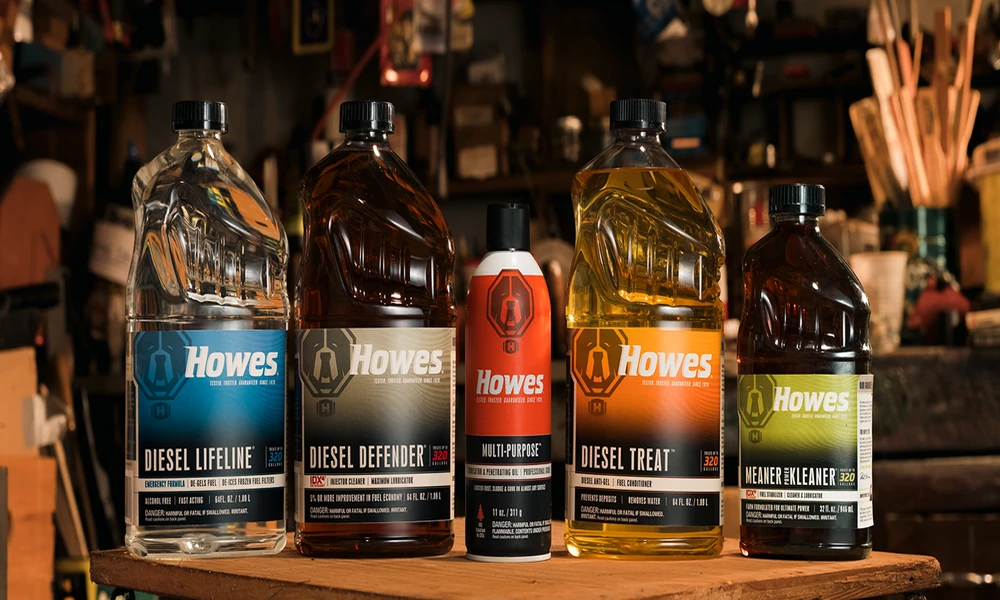
By those measures, Howes Diesel Lifeline earns a place in your cab or toolbox. I will explain what it does, how to use a rescue product the right way, and how to avoid the problem next winter. You will leave with a plan for both the emergency and the prevention.
Why Anti-Gel Cannot Fix Fuel That Has Already Gelled
Many drivers treat their fuel with an anti-gel product and expect it to solve every cold weather problem. Anti-gel does important work, but it has a limit.
Diesel fuel contains wax. When the temperature drops, that wax forms crystals. The point where the crystals first appear is called the cloud point. If the fuel passes that point before you add anti-gel, the crystals are already there, and anti-gel cannot reverse the change.
That is where a rescue product fits. Prevention and rescue are two different jobs, and you need to understand both.
What Happens Inside a Frozen Filter
A fuel filter can fail in two ways in cold weather:
- Wax crystals collect on the filter and block the flow of fuel.
- Water in the fuel freezes into ice and plugs the filter.
Both problems look the same from the driver’s seat. The engine starves for fuel. Smaller vehicles, such as diesel pickups and tractors, face more risk because their filters are smaller and clog faster, even when the fuel has been treated.
What Howes Diesel Lifeline Does
Howes developed Diesel Lifeline over seven years as a winter emergency product. According to the company, it changes the melting points of both wax crystals and ice crystals, which lets frozen diesel flow again.
Here is what the company says it does:
- It turns gelled fuel back into liquid.
- It de-ices frozen fuel filters.
- It keeps working after the rescue to help prevent filter icing.
- It works in about 15 minutes in many cases.
- It has been proven in temperatures down to -35°F and colder.
That list covers the whole problem, from the first fix to the follow-up protection.
Why I Recommend It Over Other Options
Several features make Diesel Lifeline a strong choice.
No Alcohol or Harmful Solvents
Howes states that Diesel Lifeline is the only emergency diesel product of its kind made without alcohol or harmful solvents. The formula is 100 percent petroleum-based, and its flashpoint is close to that of diesel fuel. The company notes that an engine could run on the product alone without damage. That tells you the formula belongs in a fuel system.
No Pre-Mixing
Some rescue products ask you to blend them with extra diesel before you pour. That is hard to do in a cold parking lot or on a roadside. Diesel Lifeline goes straight into the tank or the filter.
No Filter Replacement
Howes says the product removes the need to replace fuel filters. A filter change in freezing weather costs time and money, and you may not have a spare. Clearing the filter in place saves both.
How to Use a Rescue Product the Right Way
Always follow the directions on the label. The steps below give you the general order of work:
1. Move to a safe spot and shut off the engine.
2. Read the label for the correct amount for your tank size and filter.
3. Pour the product into the fuel filter if you can reach it, and into the fuel tank.
4. Wait for the product to work. The company says this takes about 15 minutes in many cases.
5. Start the engine and watch how it runs.
If the engine still does not run well, call a professional. Do not keep cranking the starter, because that wears down your battery.
Who Should Keep a Bottle on Hand
I suggest you carry a bottle whenever temperatures fall. Diesel Lifeline comes in quart and half-gallon sizes, and a quart fits easily in a toolbox or behind a seat.
A bottle makes the most sense for:
- Owners of diesel pickups
- Tractor operators
- Independent owner-operators
- Fleet managers who want every truck ready
- Anyone who parks outside in a cold climate
Prevent the Problem With Diesel Treat
A rescue product should be your backup, not your plan. The best plan starts before the cold arrives.
Howes Diesel Treat is their anti-gel and fuel conditioner. It prevents gelling, lowers cold filter plugging, adds lubricity, and helps with the issues common to ultra low sulfur diesel. The company also demulsifies water and pushes it out of the fuel, where a water separator can remove it. That matters because water is one cause of frozen filters.
The standard treat rate for the smaller bottles is 1 ounce per 5 gallons above 0°F and 1 ounce per 2.5 gallons below 0°F. Cars, pickups, and tractors call for a double dose. Howes states that overtreating with their diesel products does no harm, so you do not need to worry about adding too much.
Diesel Treat also comes with the Winter Tow Guarantee. If a truck treated with the product fails to keep going in winter, Howes pays for the tow.
About the Company Behind the Product
Howes Products is a fifth-generation, family-owned company in North Kingstown, Rhode Island. The business began in 1920 and has made fuel additives and lubricants for more than a century. Their motto is “Tested. Trusted. Guaranteed.” The company says each product goes through lab and field testing before release, and each one carries a 100 percent satisfaction guarantee with a full refund when you mail in the original receipt.
That kind of history and that kind of guarantee give you a reason to trust the product on a hard morning.
Final Advice
Treat your fuel before the cold arrives, and keep a rescue product within reach for the day something goes wrong. Diesel Lifeline gives you a clear way to clear gelled fuel and frozen filters without extra steps. Buy a bottle before the first freeze, put it where you can find it, and you will know what to do the next time your engine stalls in the cold.



Leave a Comment